

Award Winning Wildlife Photographer’s Perspective
The camera and lens combination is important, but the truth is, it’s all about the individual behind the camera.
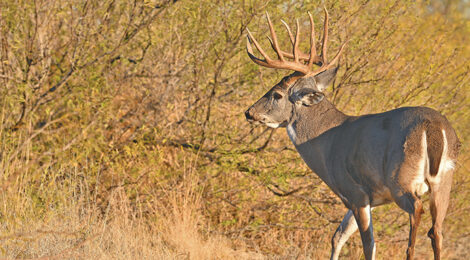
I am often asked how I capture so many unique wildlife photographs. My standard answer is, it’s a combination of things, one being perseverance, another is access to areas where the animal I am after exists, and most importantly, an in-depth knowledge of the behavior of my subject. The camera and lens combination is also important, but the truth is, it’s all about the individual behind the camera.
Filming wildlife is more of an art than science because outstanding photos can be taken with a cell phone to the highest priced camera on the market. Actually, my neatest pictures are taken by simply being at the right place at the right time, regardless camera brand.
I purchased my first camera and lens in 1974 while attending West Virginia University. Because of financial restraints, I couldn’t afford a high-end camera or lens, but my first setup, a Mamiya Sekor with a 400 mm mirror lens, performed well enough to temporarily satisfy my intense desire to capture wildlife on film.
Now, most of my acquaintances would assume that my first picture would be of a deer, but it turned out to be a mountain bluebird, which remains in my reliquary of wildlife images I have taken over the last 51 years.
************************************************************************
To read more, click here to SUBSCRIBE